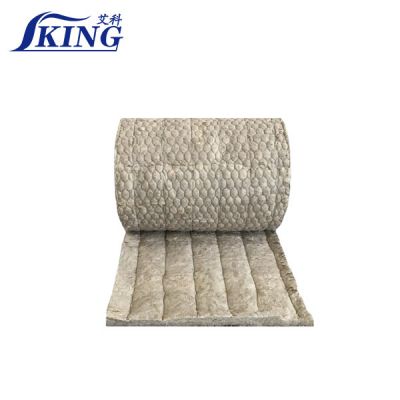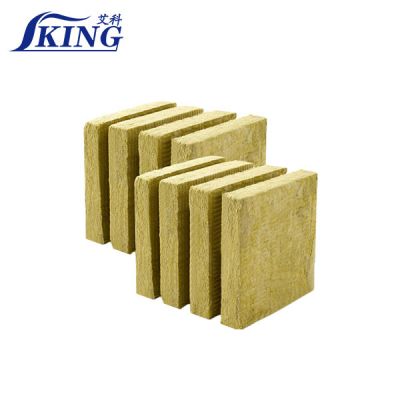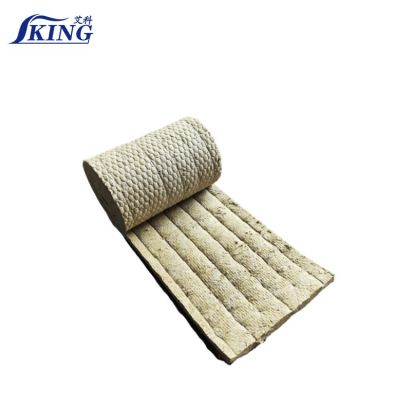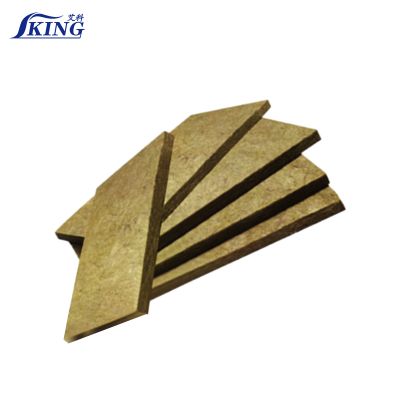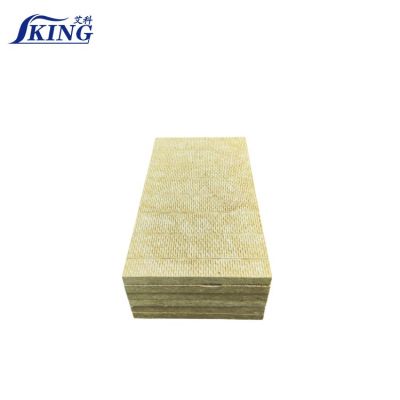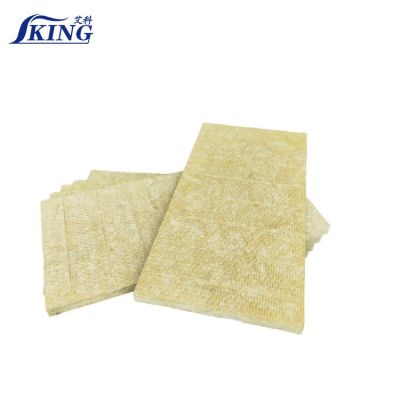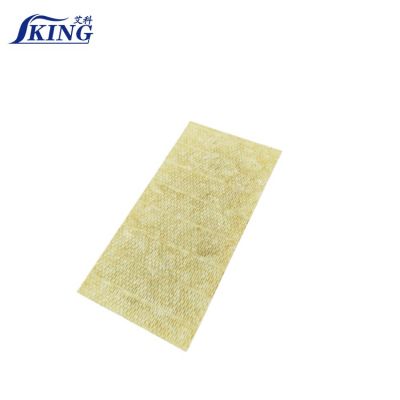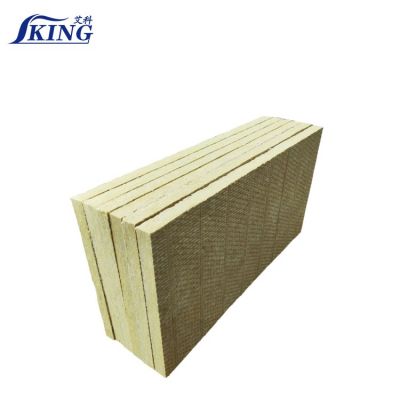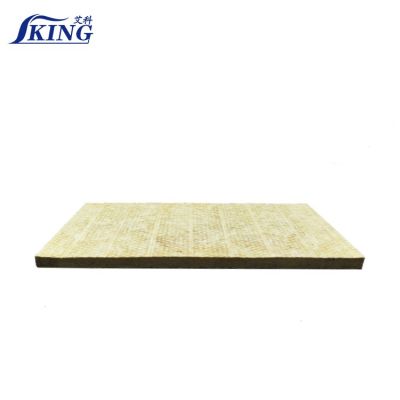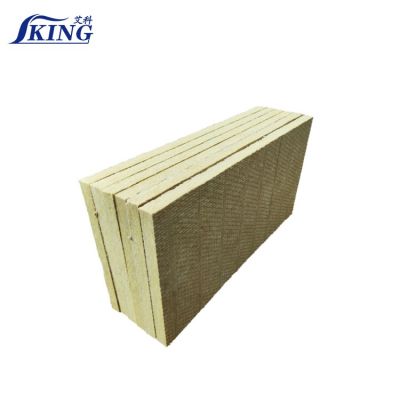


ISOKING Mineral Wool Board
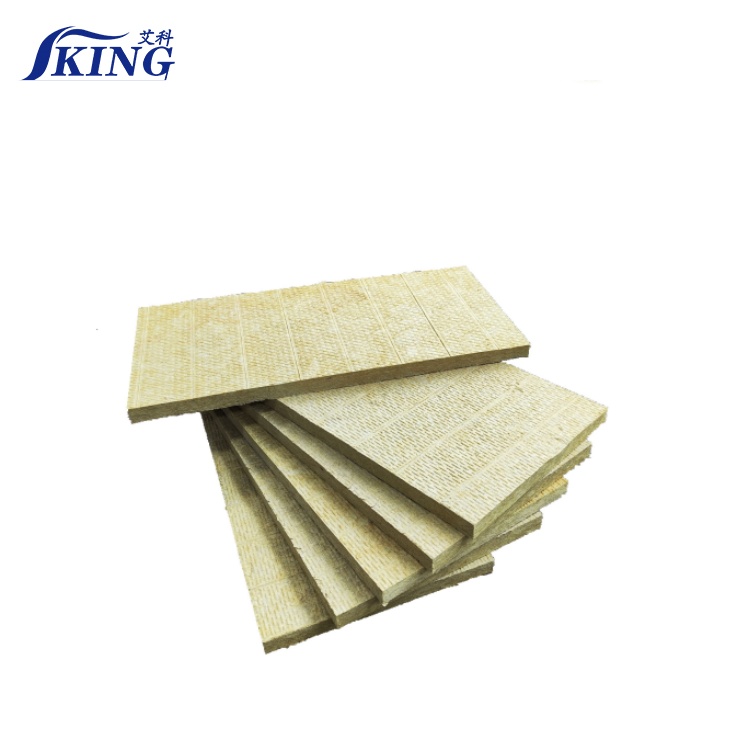
ISOKING Mineral Wool Board is a high-performance rigid insulation material made from natural basalt, featuring excellent A1 fire resistance, thermal insulation and sound absorption.
It is widely used in building envelopes, steel structures and industrial equipment, providing stable, long-lasting insulation and fire protection for construction projects.
Specification
Length:3-5m
Width:0.6m/1.2m
Thickness:25mm-180mm
Density:40kg/m³-150kg/m³
MOQ
1*40HQ Container
Heat Insulation
Y’know our mineral wool board? It’s packed with tiny fibers all tangled up——they hold onto air super well. And air just doesn’t carry heat well at all! So when it’s scorching outside, heat can’t sneak through to your space. When it’s freezing? The warm air inside sticks around. Basically, that’s how it keeps things cool in summer and toasty in winter—simple as that.
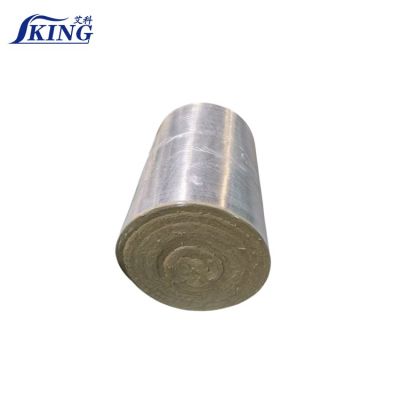
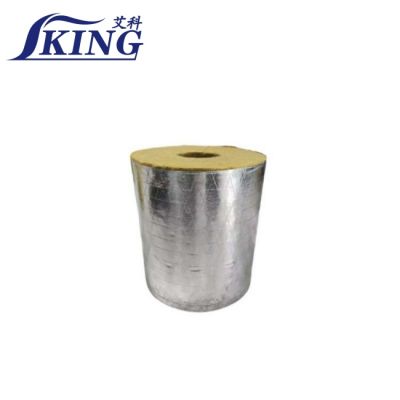
Moisture Protection with Aluminum Foil
We put that aluminum foil on there for one main thing: stopping moisture. The foil works like a solid barrier——no water vapor gets into the mineral wool core. If the core gets wet, its insulation power takes a huge nosedive (we’ve learned that the hard way!). This foil keeps the board dry, so it keeps working great for years.
Fire Safety
Here’s the best part: our mineral wool just won’t burn. No joke—when it’s super hot, it won’t catch fire, and it won’t let off any toxic smoke. That’s why it makes buildings way safer, whether it’s an industrial workshop or a house. It’s not just about insulation—it’s about keeping your space protected.
Keep the Board Dry Before & During Installation
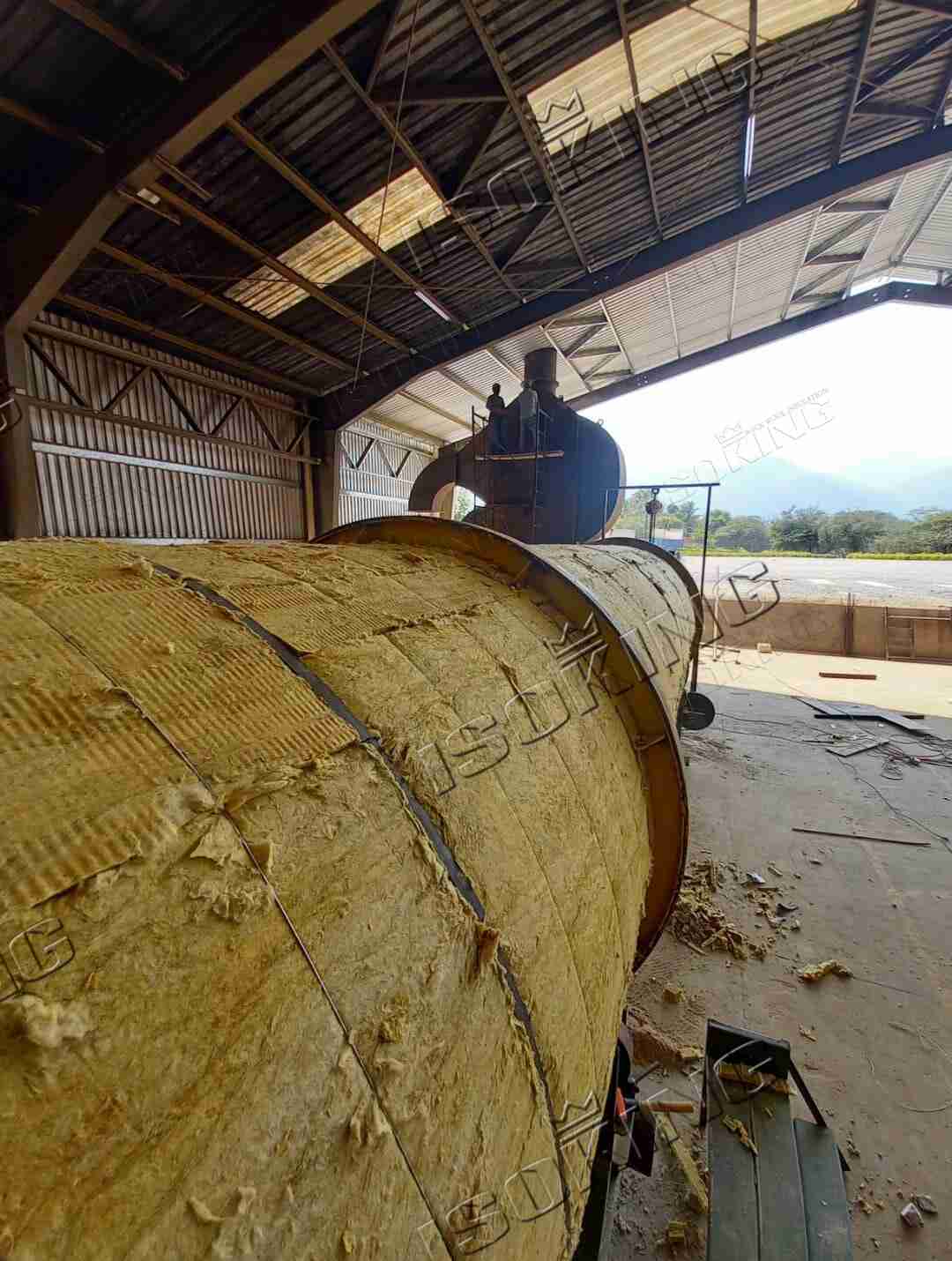
Let me be real——moisture is this board’s worst enemy. Before you even start, make sure every single board is completely dry. If it’s rained or the storage area is humid, let ’em air out first. And when you’re installing outdoors or in a damp space? Don’t rush it—wait for a dry day. If the board gets wet mid-install, its insulation power will drop like a mineral, and it won’t last nearly as long. Trust me, we’ve fixed enough botched jobs to know this is non-negotiable.
Secure the Foil Facing Properly (Don’t Skip This!)
That aluminum foil layer isn’t just for looks——it’s your moisture shield. When you’re cutting the boards to fit, be careful not to tear the foil. And when you’re attaching them? Make sure the foil edges overlap a little—at least 2 inches is our go-to. If you leave gaps, water vapor will sneak right in and ruin the core. We always tell our clients: treat the foil like it’s the board’s armor, because that’s exactly what it is.
Follow Fire Safety Rules Even Though the Board Is Fireproof
Yeah, our mineral wool is A1-class non-combustible—won’t burn or give off toxic smoke. But here’s the thing: the materials you use with it matter. Don’t use glue or fasteners that are flammable—stick to fire-rated stuff. And if you’re installing it near pipes or wires that get hot? Leave a small gap for ventilation, so heat doesn’t build up unnecessarily. Just because the board is safe doesn’t mean you can cut corners on the rest of the job—safety’s a team effort.
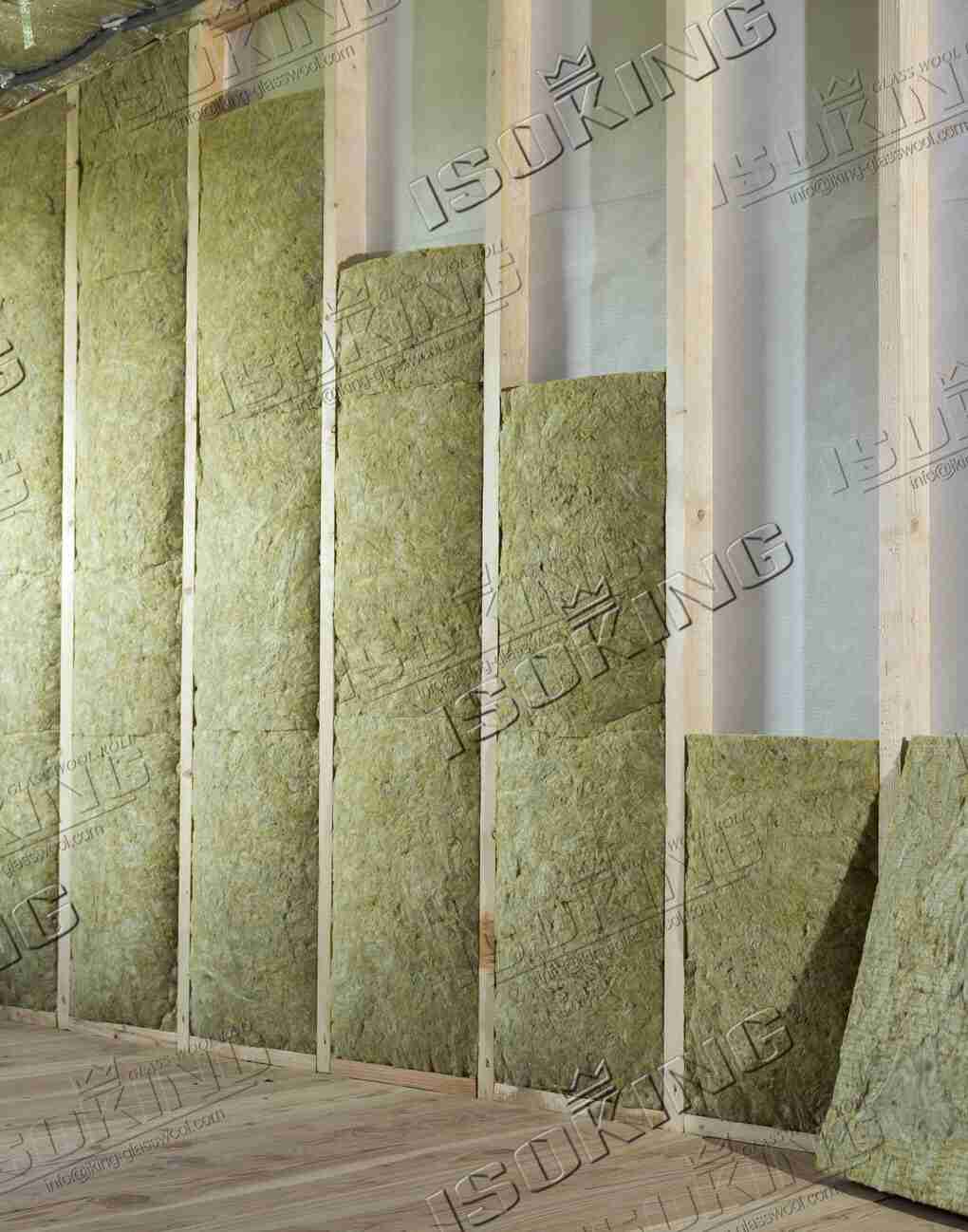
China IKING Industrial Group Co., Ltd. was established in 2005 and is located in Tianjin. We are one of the leading thermal insulation material manufacturers in China.
Our products are widely used in construction and industrial fields. The main products are mineral wool, glass wool, and ceramic fiber. The working temperature of the products ranges from 400 degrees to 1400 degrees. It is precisely because of the diversity of products that we can we provide customers with one-stop insulation product services..[ read more ]