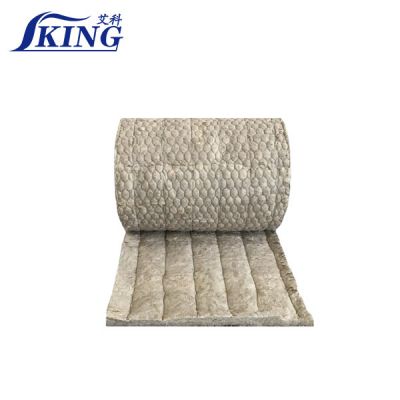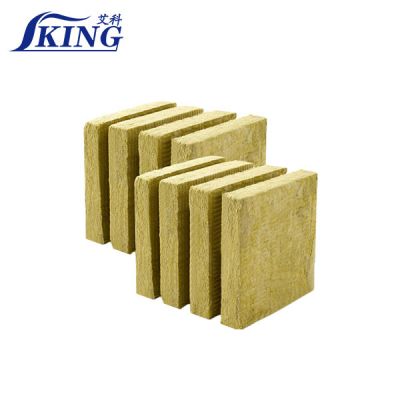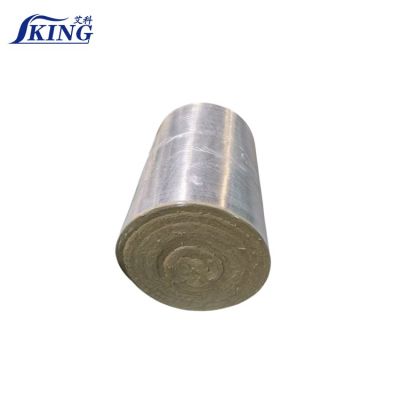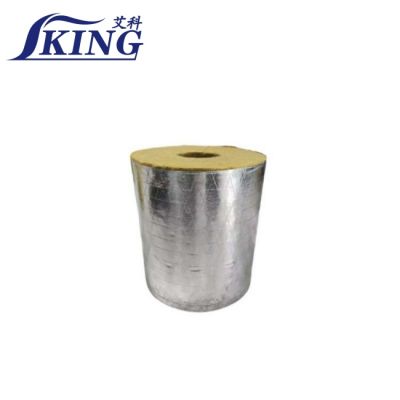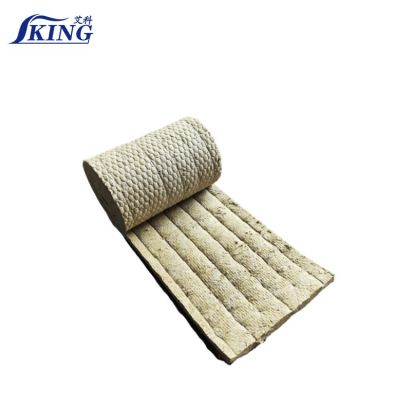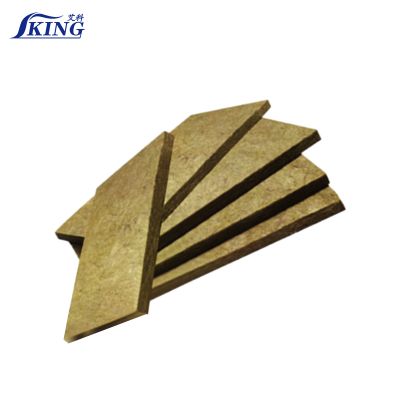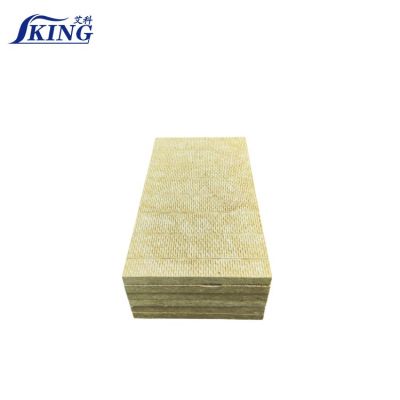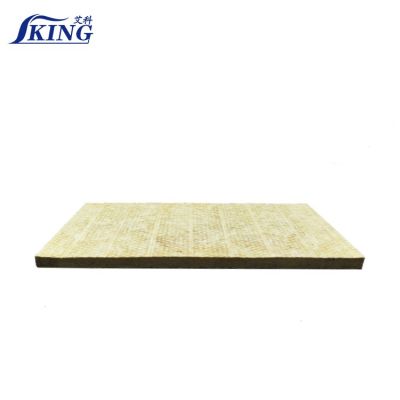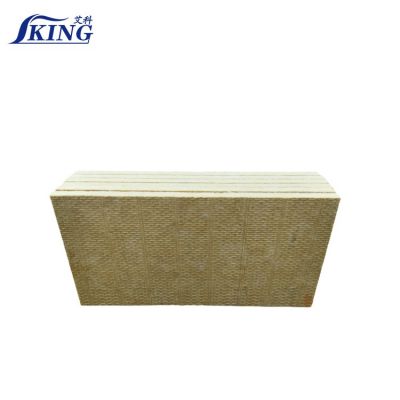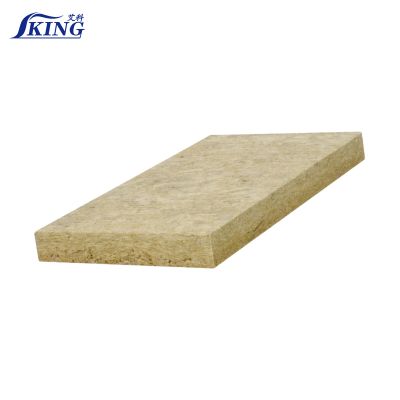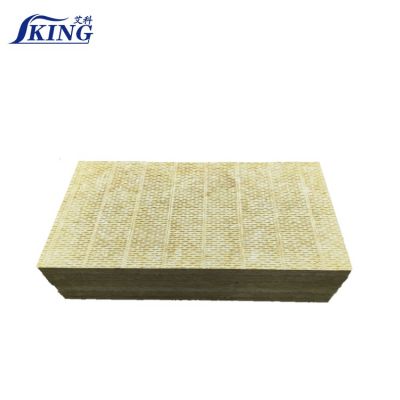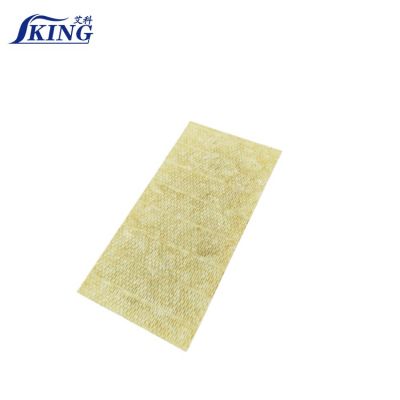
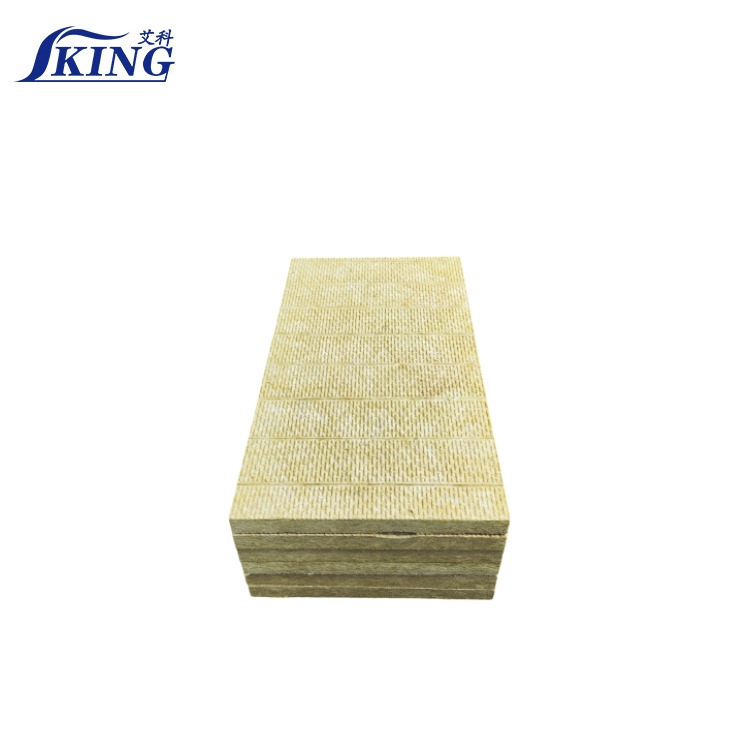


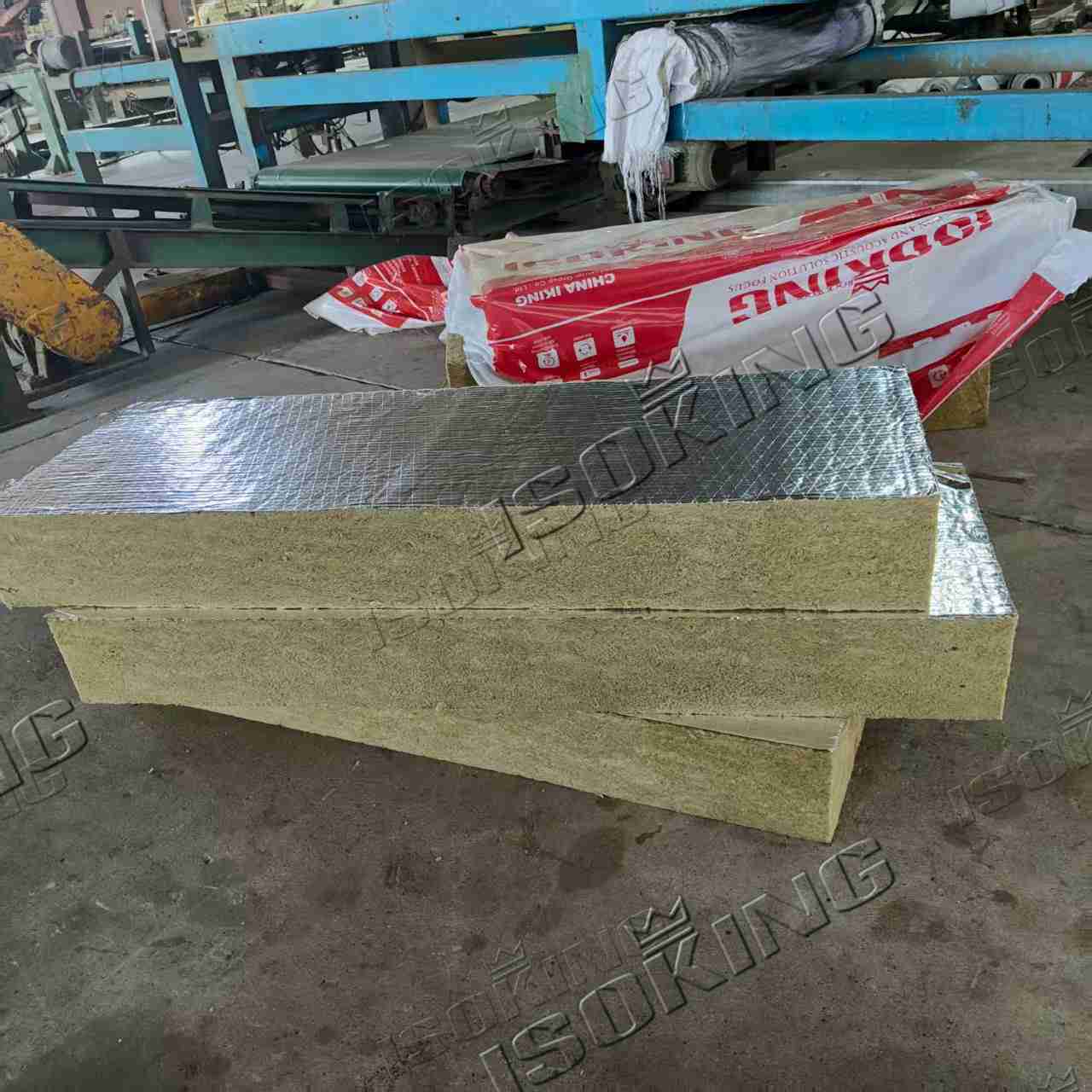
ISOKING Mineral Wool Board
ISOKING Mineral wool has a wide range of uses. In buildings, it is used for insulation and fire protection of exterior walls, roofs, and partitions. In industry, it provides thermal insulation protection for pipes and equipment. In the transportation field, it is used for sound insulation and heat insulation of automobiles and rail transportation.
MOQ
1*40HQ Container
Advantages
A1 non-combustible with excellent fireproof performance, no smoke or melting in high temperature
Outstanding thermal insulation, greatly reduces building energy consumption
Superior sound absorption and noise reduction for quiet indoor environment
High hydrophobicity & low water absorption, stable performance in humid conditions
Specification
Length:1.2/2.4 m
Width:0.6/1.2 m
Thickness:25-180 mm
Facing:Customised
ISOKING Mineral Wool BoardISOKING mineral wool board is crafted from premium basalt, featuring A1-class fire resistance, excellent thermal insulation and moisture resistance for harsh working conditions.Ideal for industrial buildings, commercial complexes and HVAC systems, it’s easy to install and customizable; backed by our 1 million-ton annual capacity, we supply clients across 100+ countries reliably.
| Length(m) | Width(m) | Thickness(mm) | Facing |
| 1.2/2.4 | 0.6/1.2 | 25-180 | Customised |
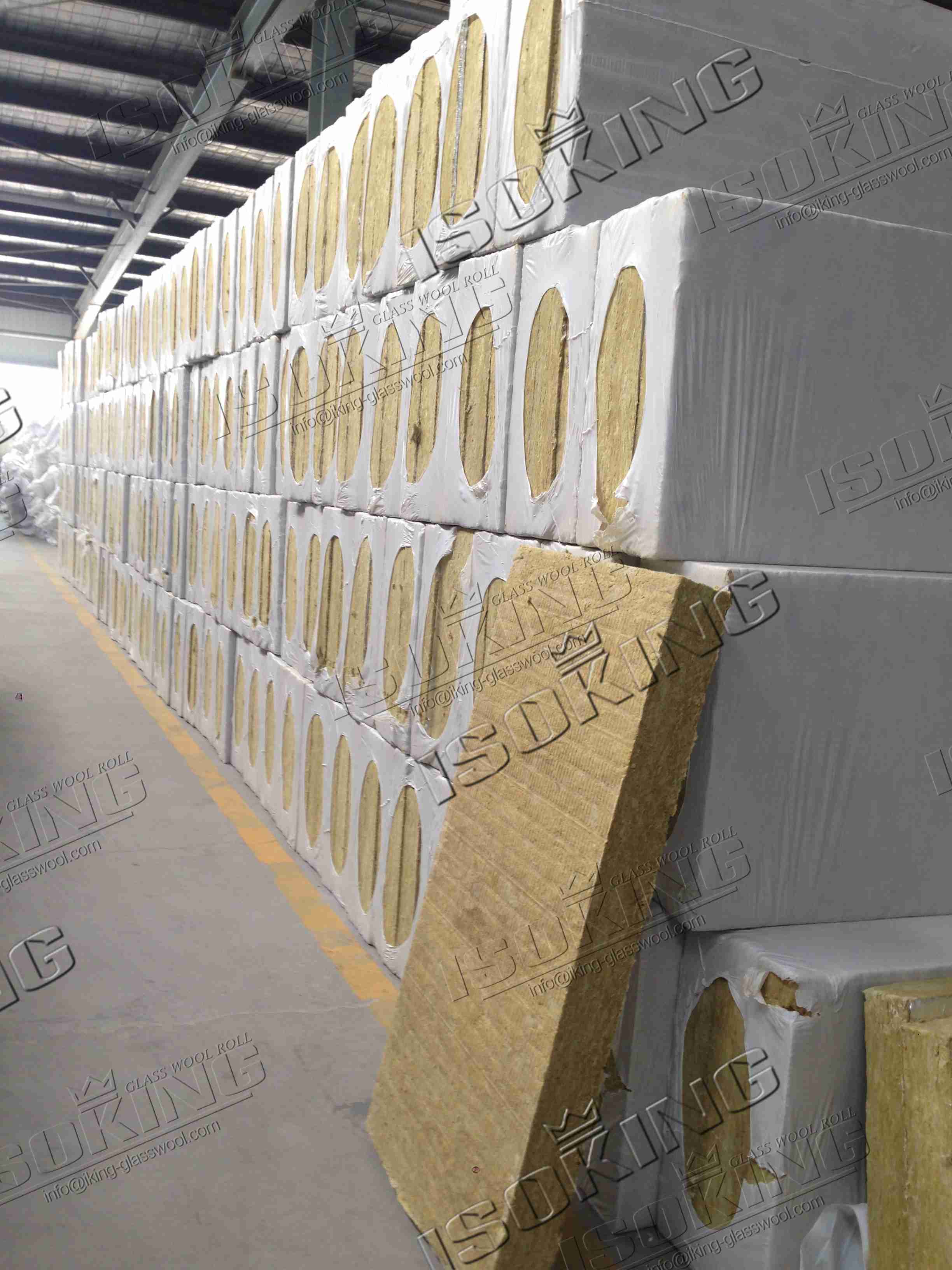
We use them for exterior walls and roofs of industrial factories—they stand up to extreme temperature swings, cut down energy costs, and meet the strict fire safety standards that factories need.
They’re perfect for curtain wall cavities in commercial buildings—block heat transfer, muffle outside noise, and make the indoor space way more comfortable.
We fit them into residential wall structures and underfloor heating systems—keep the home warm in winter and cool in summer, making your house more energy-efficient.
They work great as insulation layers for industrial equipment and storage tanks—shield gear from temperature changes and help extend their service life.
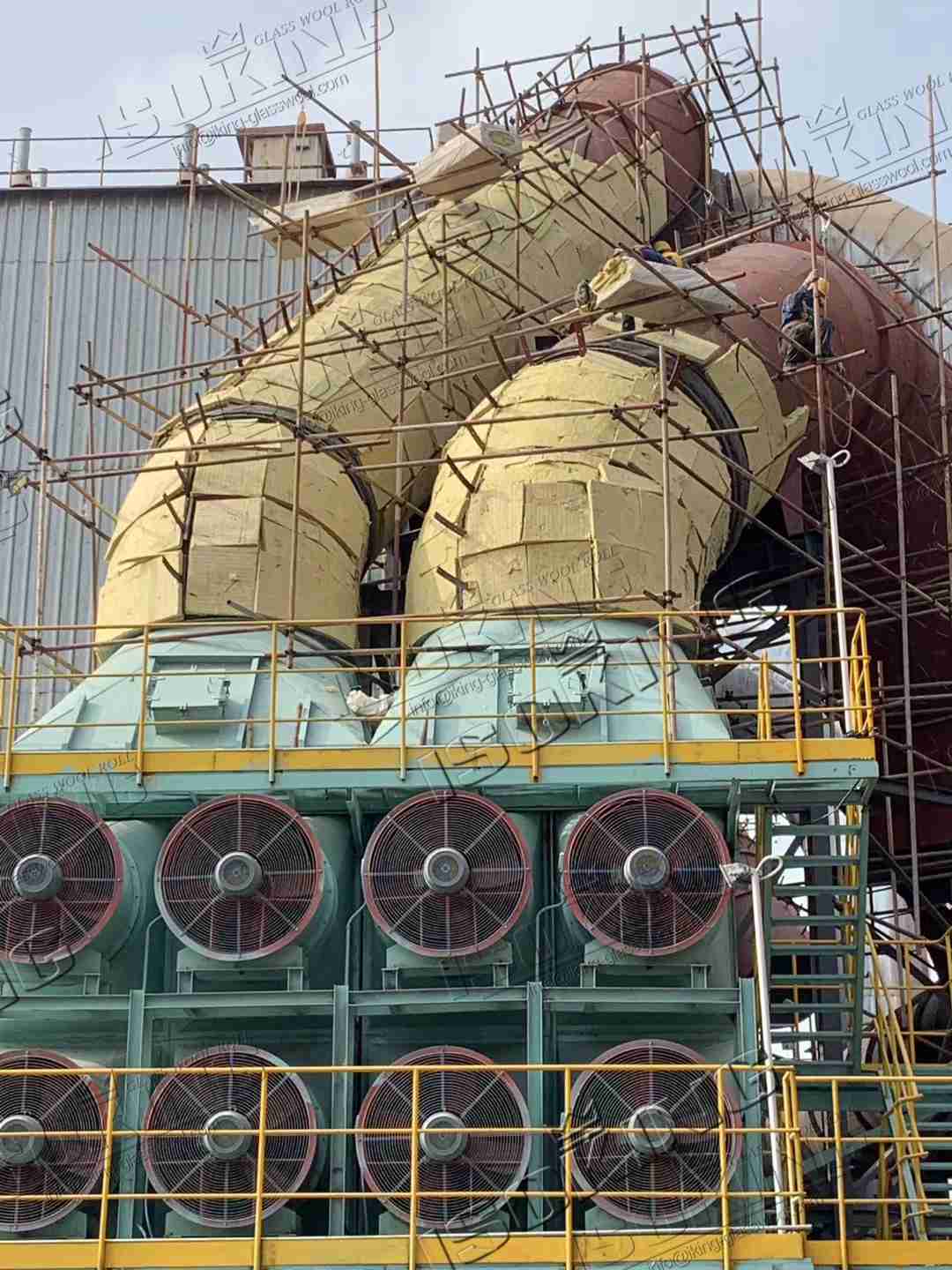
Working with ISOKING mineral wool boards is straightforward, but a few quick tips will help you get the best results and keep things safe on the job site.
Always wear gloves and a dust mask when cutting or installing—this stuff is fibrous, and you don’t want particles getting on your skin or in your lungs.
Don’t stick it on wet surfaces or use it in super humid spots without proper waterproofing—moisture can mess with its insulation performance over time.
Cut it to size with a sharp knife or saw—blunt tools will make the edges messy and affect how well it fits with your building materials.
Seal the joints tight with compatible adhesives or tapes—gaps let heat escape and noise seep in, so don’t skip this step if you want full efficiency.
Q: Can ISOKING mineral wool boards get wet?
A: They resist moisture a bit, but don’t leave them exposed to rain—always add a waterproof layer for outdoor use.
Q: How do I cut ISOKING mineral wool boards?
A: Grab a sharp utility knife or saw. Wear gloves and a mask to keep fibers off your skin and out of your lungs.
Q: Are these boards good for soundproofing?
A: Absolutely—they’re great at blocking noise, perfect for walls, floors, and industrial spaces that need quiet.
China IKING Industrial Group Co., Ltd. was established in 2005 and is located in Tianjin. We are one of the leading thermal insulation material manufacturers in China.
Our products are widely used in construction and industrial fields. The main products are mineral wool, glass wool, and ceramic fiber. The working temperature of the products ranges from 400 degrees to 1400 degrees. It is precisely because of the diversity of products that we can we provide customers with one-stop insulation product services..[ read more ]