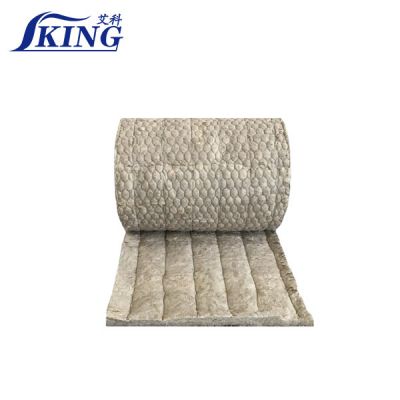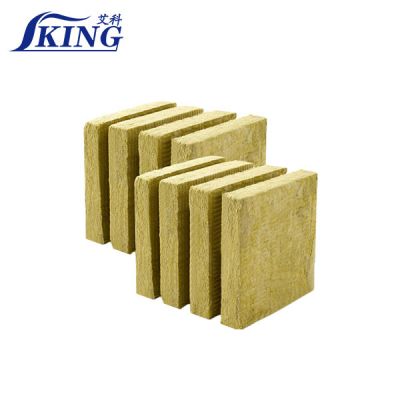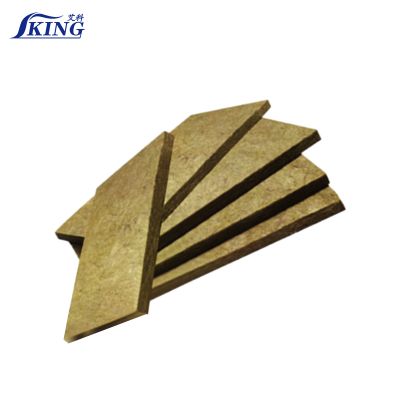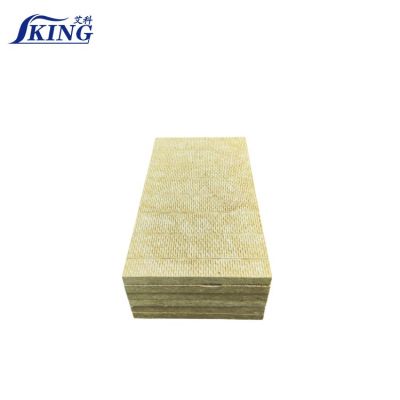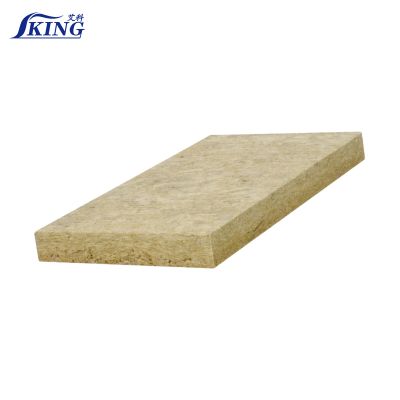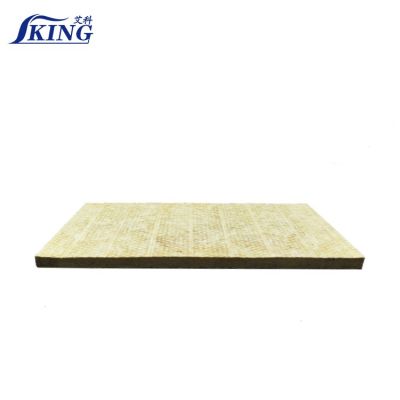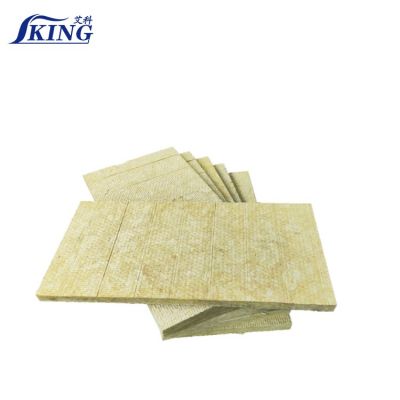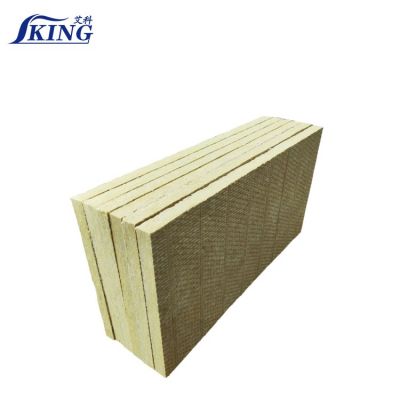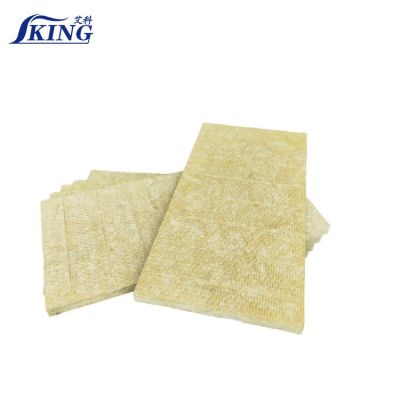
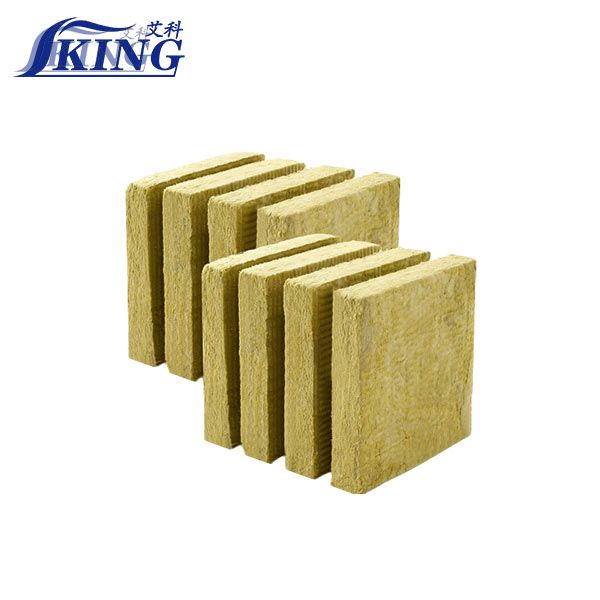
ISOKING Mineral Wool Board
ISOKING Mineral Wool Board is a non-combustible insulation material manufactured from natural basalt and other selected minerals. Through a high-temperature melting and fiberizing process, the material is formed into rigid boards with excellent thermal insulation, fire resistance, and sound absorption properties.
Specification:
Length: 1.2m/2.4m
Width: 0.6m/1.2m
Thickness: 25-200mm
Density: 25-180kg/m3
ISOKING Mineral Wool Board is a non-combustible insulation material manufactured from natural basalt and selected mineral resources. Through a high-temperature melting and fiberizing process, the material is formed into rigid insulation boards that provide reliable thermal insulation, fire protection, and sound absorption performance.
Designed for residential, commercial, and industrial buildings, ISOKING Mineral Wool Board helps reduce energy consumption, improve indoor comfort, and enhance fire safety. Its dense fiber structure effectively minimizes heat transfer and noise transmission while maintaining long-term dimensional stability.
Widely used in exterior wall insulation systems, curtain walls, roofs, partitions, and industrial applications, ISOKING Mineral Wool Board is available in a range of densities and thicknesses to meet different project requirements and building standards.
| Length(m) | Width(m) | Thickness(mm) | Density(Kg/m³) | Thermal Conductivity | Fireproof Grade |
|
1.2/2.4 |
0.6/1.2 | 25-200 | 25-180 | ≤0.036W/mK | A1 |
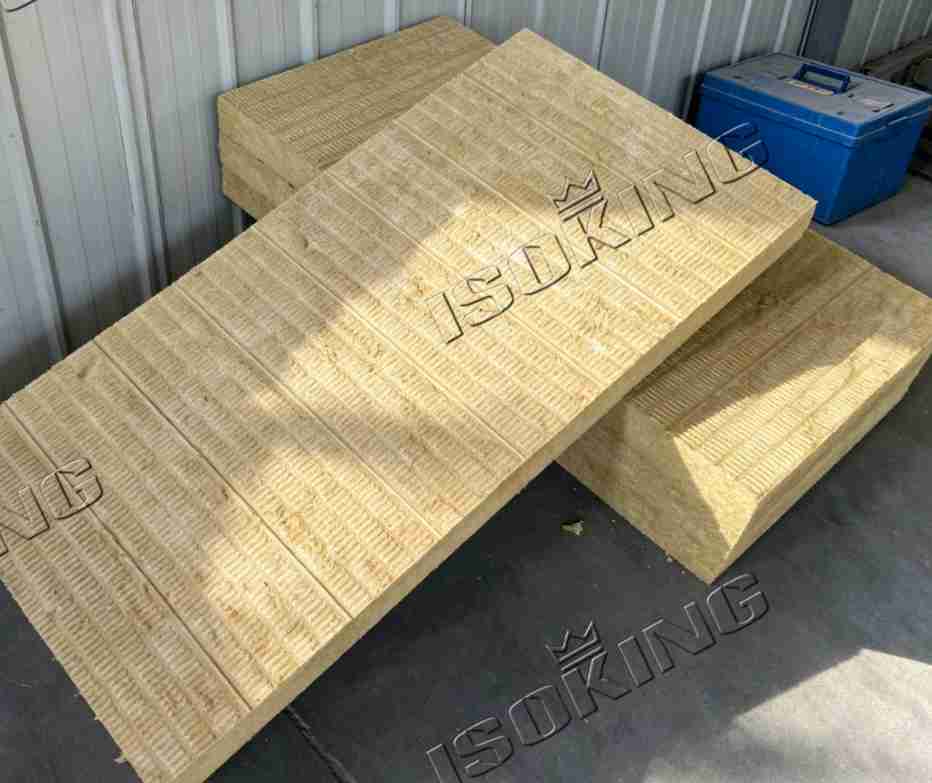
Industrial Factories and Workshops
Mineral wool insulation is commonly used in industrial buildings, manufacturing plants, workshops, and equipment rooms where temperature control is important. Made from natural basalt mineral, it can withstand high temperatures while helping reduce heat loss through walls and roofs. This makes it a practical insulation material for facilities that operate machinery, boilers, or production lines for long periods.
Commercial Buildings
Many commercial projects, including office buildings, shopping centers, hotels, and public facilities, use basalt wool insulation as part of their building envelope system. Besides improving thermal performance, mineral wool is also valued for its non-combustible nature and sound absorption properties. These characteristics help create a more comfortable indoor environment while supporting modern building safety requirements.
Residential Construction and Renovation
In residential construction, mineral wool insulation is frequently installed in exterior walls, attics, ceilings, and basement areas. Homeowners often choose it to improve energy efficiency, reduce outside noise, and increase fire protection. Because mineral wool allows water vapor to pass through while resisting moisture buildup, it can also contribute to healthier and more durable building structures.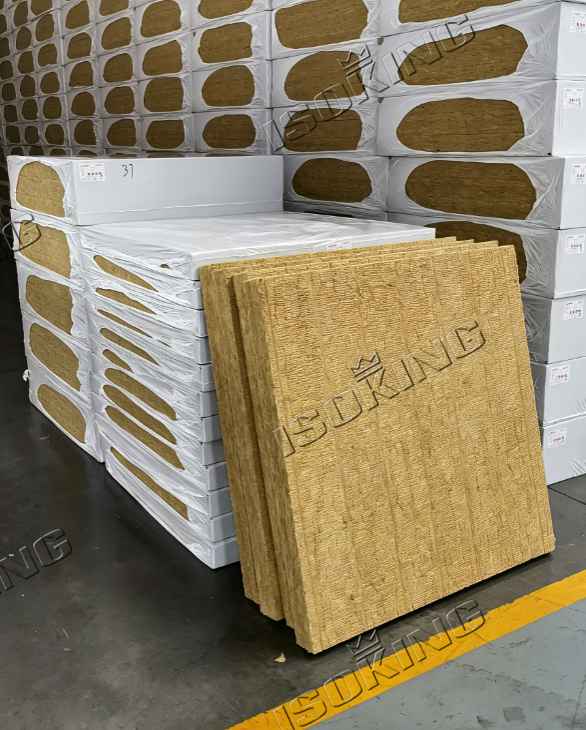
Mineral wool insulation is produced from natural basalt mineral and other carefully selected raw materials. These materials are heated at very high temperatures until they become molten, similar to the way lava forms in nature.
The molten material is then spun into fine fibers, creating a lightweight structure filled with millions of tiny air pockets. These fibers are collected, bonded together, and formed into different insulation products such as boards, blankets, pipe sections, and loose-fill insulation.
After shaping and curing, the finished mineral wool products are cut to the required dimensions and undergo quality inspections before packaging. The result is a durable insulation material that offers thermal performance, fire resistance, and sound absorption for a wide range of construction and industrial applications.
Because mineral wool is manufactured primarily from natural stone, it combines the strength of mineral with the flexibility needed for modern insulation systems. This unique production process is one of the reasons why mineral wool remains a popular choice for buildings, factories, and energy-efficient projects around the world.

Q1: What is the difference between mineral wool and fiberglass insulation?
Mineral wool insulation is made primarily from natural basalt mineral, while fiberglass insulation is produced from recycled glass and sand. Mineral wool generally offers higher fire resistance, better sound absorption, and greater dimensional stability, making it a popular choice for both construction and industrial insulation projects.
Q2: Is mineral wool insulation fire resistant?
Yes. Mineral wool is a non-combustible insulation material that can withstand very high temperatures without contributing to flame spread. This makes it widely used in fire-rated wall systems, roofs, partitions, and industrial applications where fire safety is a priority.
Q3: Where can mineral wool insulation be used?
Mineral wool insulation can be installed in exterior walls, roofs, attics, ceilings, floors, HVAC systems, industrial equipment, and cold storage facilities. Its combination of thermal insulation, sound control, and fire protection makes it suitable for residential, commercial, and industrial buildings.
China IKING Industrial Group Co., Ltd. was established in 2005 and is located in Tianjin. We are one of the leading thermal insulation material manufacturers in China.
Our products are widely used in construction and industrial fields. The main products are mineral wool, glass wool, and ceramic fiber. The working temperature of the products ranges from 400 degrees to 1400 degrees. It is precisely because of the diversity of products that we can we provide customers with one-stop insulation product services..[ read more ]